LNG · Verified energy marketplace
LNG buyers and sellers, matched by our team
- Documents checked before the Deal Room
- Contacts stay masked until the match
- Free to post. Commission only on a closed deal
The product
What LNG is
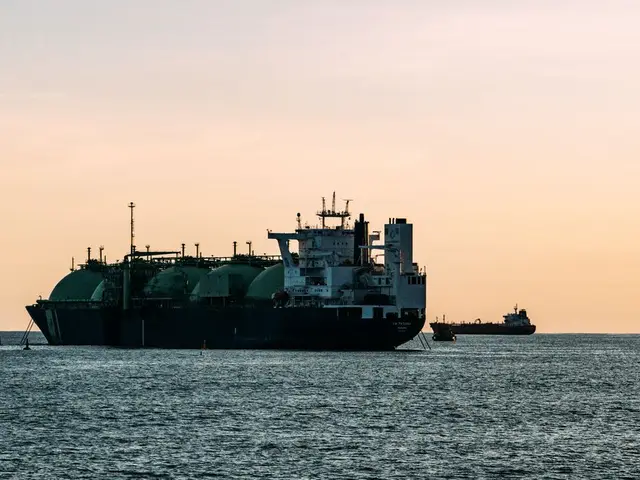
LNG is natural gas cooled to about −162 °C, which turns it into a liquid around 600 times smaller in volume. It is mostly methane, with some ethane, propane and nitrogen. It is shipped on LNG carriers and turned back into gas at regasification terminals or floating units (FSRUs).
LNG is measured and priced in energy units, usually MMBtu. Large exporters include Qatar, the US, Australia and others. Buyers range from national utilities and gas companies to power producers and industrial users.
No papers needed
Post your LNG requirement
Tell our team what you need. No documents needed to post. It shows as Unverified, and your company name is never shown to other members.
Specification
Typical specification
| Property | Typical |
|---|---|
| Gross heating value | Within the range the receiving terminal accepts |
| Wobbe index | Within the terminal and grid limits |
| Composition | Mostly methane; limits on ethane, heavier hydrocarbons and nitrogen |
| Sulphur and H₂S | Low, to the agreed limit |
| Temperature | Around −162 °C at atmospheric pressure |
Trade terms
Common trade terms
- Incoterms
- DES (delivered ex-ship) at the buyer's terminal and FOB at the liquefaction plant are the most common.
- Contract
- Spot or short-term cargoes, or multi-year sale and purchase agreements. Many buyers first sign a master agreement (MSA) and then confirm cargoes under it.
- Pricing
- Set against gas hubs or indexes agreed between the parties, or linked to oil prices in some term deals.
- Ship and terminal
- The vessel must be compatible with the receiving terminal. Compatibility checks are part of the deal.
- Payment
- Usually a letter of credit or SBLC, or open account between parties with an established relationship.
General industry practice, not advice. The terms of each deal are agreed between buyer and seller.
Members
Who it is for
- Utilities and gas companies buying spot or term cargoes.
- Power producers and large industrial users with access to a regasification terminal or FSRU.
- Producers, portfolio players and title holders who want introductions to checked buyers.
- Authorised mandates who can show a current written authorisation.
Red flags we screen for
- Cargoes offered with no named load port or delivery window.
- Mandates that cannot show a current, signed authorisation.
- Buyers without access to a receiving terminal.
FAQ
LNG questions
Do you match spot LNG cargoes or term supply?
Both. Members can list a single cargo, a strip of cargoes, or a term requirement. Our team matches on volume, delivery window, port, Incoterm and price terms.
Who can sell LNG on TradeNexusMarket?
Producers, title holders, and mandates that can show a current written authorisation from the seller. Sellers can post without documents. Before a Deal Room, every seller sends company papers and at least one proof of product or authorisation; once our team has checked it, the offer gets the Verified badge.
Do buyers need a regasification terminal?
A buyer needs a way to receive the cargo, either its own terminal or FSRU, or capacity at one. Saying so in your requirement helps us match you faster.
When do I see who the other side is?
Only after our team approves the match and both sides accept the commission agreement. Then the Deal Room opens with you, the other company and our team.
Is it really free to join?
Yes. There is no membership fee and no listing fee. TradeNexusMarket charges a commission to both buyer and seller, and only on a deal that closes. You accept the commission agreement before the Deal Room opens.
Guides
Read before you trade LNG
- Guide · LPG and LNGLPG vs LNG: what a buyer needs to know before asking for a cargo
- Guide · Payment and trustHow escrow, payment instruments and verification protect energy buyers
- Guide · Deal paperworkWhat a seller mandate letter should say, and how to check one
- Guide · Deal documentsIncoterms 2020 for oil cargoes: FOB, CIF, CFR and DAP explained
- Guide · Red flagsThe most common petroleum trading scams, and the paper trail that exposes them
Trade LNG with checked companies
Post what you need for free. Our team looks for the other side and checks both companies before the Deal Room opens. You can also see what members have posted on the public board.