Insights
Guides for energy buyers and sellers, from our team
Latest guides
Read before you trade
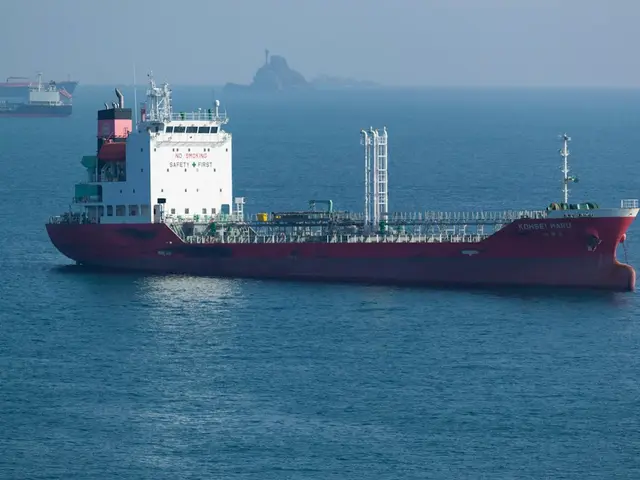 Deal process
Oil trading glossary: the deal, bank, storage and shipping terms in plain English
A fuel offer can pack twenty abbreviations into one paragraph. Some name real documents that a bank, terminal or inspector will stand behind. Others are labels that only exist in broker procedure sheets. This glossary explains each term in a sentence or two, says what to check, and points to the guide where we cover it in depth.
· 13 min read
 Products
Gasoil 10ppm vs 500ppm: what the sulphur grade means and who buys which
Two gasoil offers can look the same on paper and still be different products. The number after "gasoil" is the sulphur limit, and it decides which countries can import the cargo, which engines can burn it, which price line it is sold against and how it has to be tested. This guide walks through 10ppm and 500ppm side by side, in plain terms.
· 8 min read
- Shipping
Q88 and vessel vetting: how a buyer checks the tanker before accepting it
Sooner or later in a cargo deal someone sends you a Q88 and asks you to accept the ship. This guide explains what that document is, what it is not, how it fits with inspections, class and insurance, which lines are worth reading closely, and what your SPA should say about nominating and rejecting a vessel.
· 10 min read
- Shipping
Laytime and demurrage: a plain guide for first-time oil cargo buyers
Laytime and demurrage decide who pays when a tanker waits. The words look like boilerplate, but they move real money between buyer, seller and shipowner. This guide explains when the clock starts, what stops it, how the cost passes from the charter party into your sale contract, and what to write into your SPA before you sign.
· 13 min read
- Compliance
Vessel sanctions screening and AIS gaps: the ship checks to run before you sign
Most buyers screen the seller. Fewer screen the ship, and that is where a lot of sanctions risk sits. This guide explains which vessel details to ask for, where to check them for free, how to read gaps in a ship's tracking history without jumping to conclusions, and the patterns that should stop a deal before you sign.
· 13 min read
 Deal paperwork
What a seller mandate letter should say, and how to check one
Many of the fuel offers that circulate online come from someone who says they are a "seller mandate". Sometimes that is true. This guide sets out what a real mandate letter names, the limits it should spell out, what it can never prove on its own, and how to confirm it with the principal before you sign or pay anything.
· 12 min read
 Pricing references
Platts and Argus benchmarks explained: CIF NWE, FOB Singapore and FOB Arab Gulf
Most oil SPAs do not fix a flat price. They point at a Platts or Argus assessment and add or subtract a differential. This guide names the main refined-product references — CIF NWE, FOB Singapore (MOPS) and FOB Arab Gulf — without quoting any prices, and shows how to spot a seller who is using the wrong name.
· 11 min read
- Crude oil
How to read a crude oil assay for the first time
A crude assay is the closest thing a grade has to an identity card. Here is what the main numbers mean, how to read the distillation table, why an assay is not the same as a certificate of quality, and the quick checks that catch a pasted or doctored assay in an offer.
· 11 min read
 Red flags
The most common petroleum trading scams, and the paper trail that exposes them
Most fake fuel offers are not trying to deliver diesel. They are trying to collect a fee, a wire, or your company papers. The patterns repeat, and each one fails the same test: the paper trail does not check out with the terminal, the inspector or the company registry.
· 9 min read
 LPG
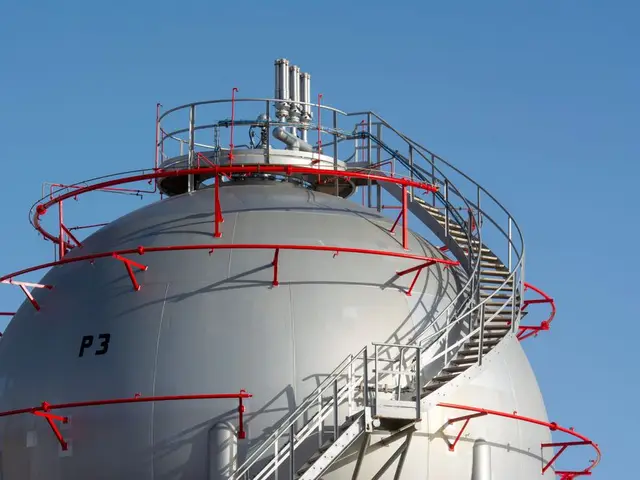
Refrigerated vs pressurised LPG: what changes for a buyer
Propane and butane can be kept liquid by pressure, by cold, or by a bit of both. Which one a cargo uses decides the ship, the terminal that can take it, the benchmark it is priced against and how the quantity is measured. Get it wrong and the deal fails at the jetty.
· 9 min read
- Deal documents
ATV, ATS and DTA: what these storage documents mean, and who can really issue them
Authority to verify, authority to sell, dip test authorisation: these three papers turn up in almost every in-tank diesel or jet offer. None of them is a standard terminal document. Here is what each one is supposed to do, what the genuine version looks like, and why paying for one is the clearest warning sign in a storage deal.
· 9 min read
- Fuel oil
What "D6 virgin fuel oil" really is, and what to ask for instead
"D6 virgin fuel oil" shows up in more offer emails than almost any other product name, yet no standard defines it. Here is what the words usually stand for, which real grades sit behind them, and what a buyer should ask to see before taking a D6 offer seriously.
· 13 min read
- Deal documents
Incoterms 2020 for oil cargoes: FOB, CIF, CFR and DAP explained
Three letters in an offer decide who books the tanker, who insures the cargo and where the risk of losing it changes hands. Here is how the Incoterms rules work for oil, where oil contracts depart from them, and what they leave for the SPA to settle.
· 13 min read
- Deal documents
How to verify an SGS or Intertek report with the issuer
An inspection report is only as good as the confirmation behind it. Here is how to take an SGS or Intertek report from a fuel offer back to the company that supposedly issued it, what to ask, and which details have to line up with the offer.
· 9 min read
- Red flags
Why "MT103 after dip test" is a warning sign in fuel offers
A dip test shows that a tank holds product. An MT103 sends money that is very hard to get back. Put the second straight after the first and the buyer has paid in full before anyone has proved the seller owns the product or can hand it over.
· 7 min read
- Deal structures
TTT vs TTO vs TTV: how diesel actually changes hands at a terminal
Tank-to-tank, tank take-over and tank-to-vessel are three different ways for diesel in storage to change owner. They need different paperwork, different checks and different proof, and offers that blur the three labels are a warning sign in their own right.
· 8 min read
- Deal documents
What a TSR (tank storage receipt) is, and how to check one
A tank storage receipt is the terminal's written statement that a named company holds a stated quantity of product in a stated tank. It is one of the most requested proofs of product in fuel deals, and one of the most often forged.
· 10 min read
- EN590
How to check whether an EN590 seller is real: a 10-point checklist
Most EN590 offers that land in a buyer's inbox cannot be traced to any tank. These ten checks take a few hours, cost almost nothing, and catch nearly all of them before money moves.
· 8 min read
- EN590
The EN590 10ppm specification explained, line by line
A seller's spec sheet is often the first document a buyer sees. Here is what each property means, the limit EN 590:2025 sets, what changed from the 2022 edition, and the numbers that should make you ask questions.
· 10 min read
 Jet A-1
 from refinery to wing: the supply chain and the documents that follow it
Airports do not accept jet fuel on trust. They accept it on a chain of quality papers that goes back to one refinery batch. If a link is missing, the fuel is not jet fuel any more as far as the airport is concerned.
· 10 min read
 LPG and LNG
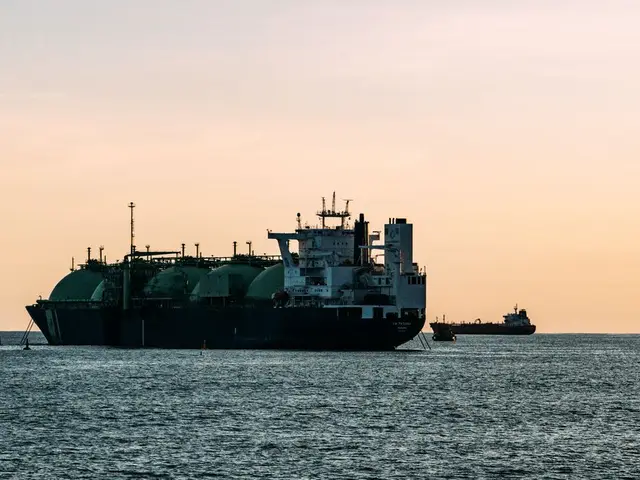
LPG vs LNG: what a buyer needs to know before asking for a cargo
The names are one letter apart, and offers often lump them together. In practice they are different products, carried in different ships, sold under different contracts, and bought by different kinds of company.
· 6 min read
- Crude oil
LOI, ICPO, SPA, POP: the crude oil deal process in plain English
Physical oil deals run on a handful of documents with three- and four-letter names. Here is what each one is, the order they normally come in, and how fake offers twist the sequence to get money or papers out of buyers.
· 7 min read
- Payment and trust
How escrow, payment instruments and verification protect energy buyers
In physical energy trade the buyer's biggest risk is paying for product that never arrives. The protection comes from two places: the payment instrument, and the checks you run before you agree to one.
· 8 min read
Product pages
Typical specs, common trade terms and what we check, product by product: EN590 10ppm diesel, Gasoil D2 / AGO, Fuel oil (HSFO 380, VLSFO 0.5%, Mazut M100), Gasoline A92 / A95, Jet A-1 aviation fuel, LPG (propane and butane), LNG (liquefied natural gas) and Crude oil.